Made in Mzansi, Watched Worldwide: Why African Creator Culture Is Winning on Authenticity
From language to raw, real storytelling, African creators are shaping global online culture. Here’s why authenticity is their biggest advantage.
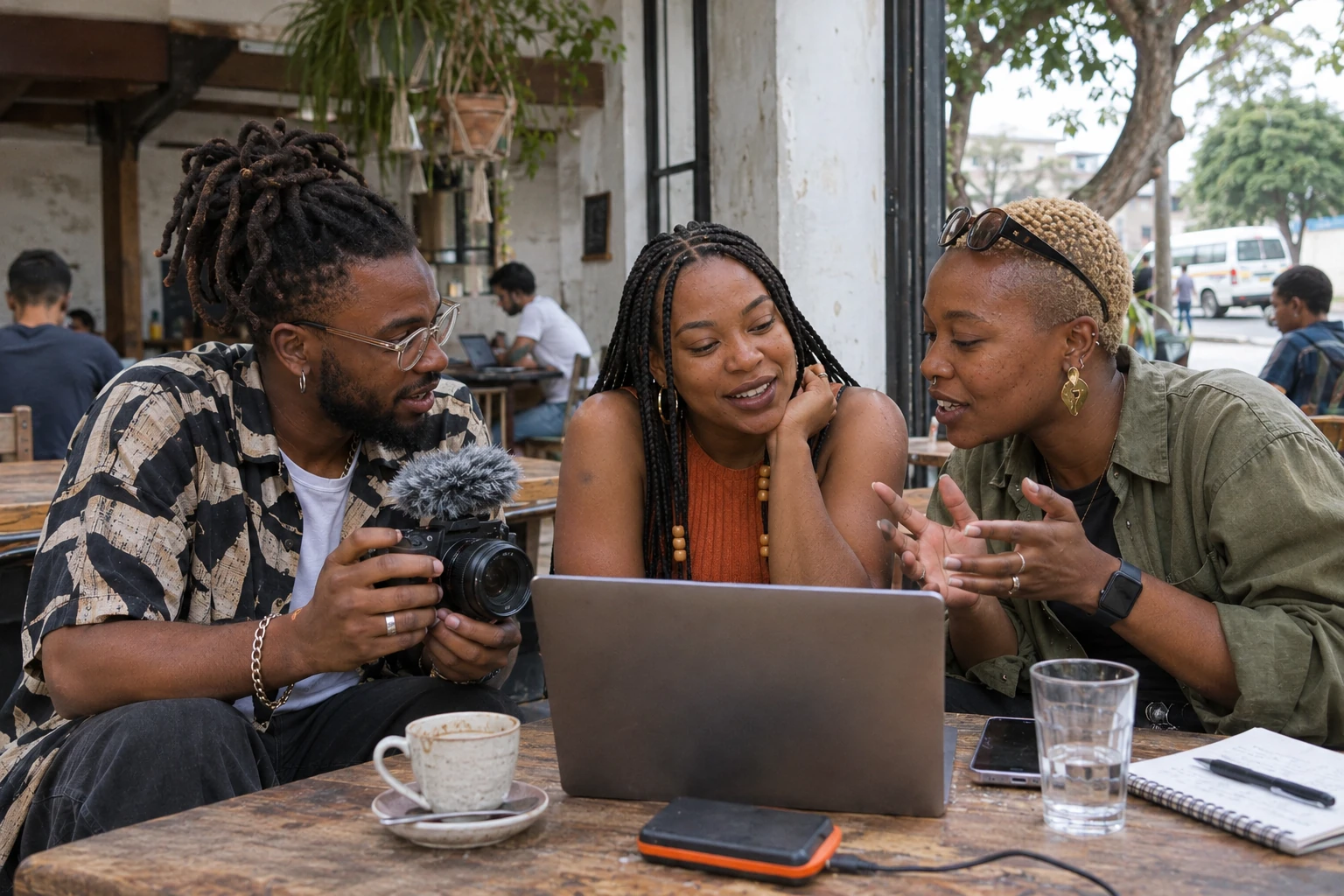
Scroll through any feed and you’ll spot it quickly. The jokes land differently, the slang is unmistakable, and the storytelling feels like it came from someone you actually know. African creator culture isn’t copying the global playbook. It’s writing its own.
Authenticity isn’t a trend, it’s the advantage
Brands are noticing. In TikTok’s own trial with Vodacom, the company found that its glossy, professionally produced ads weren’t what audiences wanted on the platform. Creator-led content in a raw, real style performed better. For African creators, that’s encouraging, because being real is what many already do best.
Language is part of the magic
South Africa alone has twelve official languages, and creators move between them effortlessly, mixing isiZulu, isiXhosa, Afrikaans, English and street slang in the same video. Marketers have taken note. In a regional YouTube campaign, content made in local languages, including isiXhosa, Zulu and Afrikaans in South Africa, Hausa, Yoruba, Igbo and Pidgin in Nigeria, and Swahili in Kenya, lifted brand recall by about 6.5% in South Africa and 9.6% in Nigeria. When people hear their own language, they pay attention.
Local stories, global reach
African creators aren’t only talking to people at home. Research on the continent’s creator economy found that creators in Nigeria and South Africa reach audiences well beyond their own borders on YouTube. English-language content from South Africa, in particular, travels easily, and international brands increasingly look to local creators. Meanwhile, Nigeria is thought to have more than six million creators active on TikTok alone, which shows just how big this movement has become.
Creators are becoming businesses
Behind the viral moments, something more organised is taking shape. Media hubs, studios, incubators and training programmes are appearing across Nigeria and Kenya, helping creators treat their craft like a business. This is the same shift South African creators are making, as more of them sell products, offer services and build brands that outlast any one platform’s algorithm.
The gap we still need to close
Culture is thriving, but infrastructure hasn’t caught up. Many creators fund themselves, struggle to access capital, and depend heavily on a single income stream. Reaching the world is one thing, and being paid fairly for it is another.
What this means for creators
- Don’t sand down your voice. Your language, humour and perspective are your edge.
- Make your community part of the story. Audiences who feel seen stay loyal.
- Turn attention into support. Likes are lovely, but sustainable creating needs income, and your community can be part of that.
This is the heart of Tipping Jar. African creators are already shaping culture, and the people who love their work should have a simple way to say thank you. Start your jar and turn your community’s love into support that adds up.